The Authenticity-to-Advertisement Pipeline: How Influencers Go From Weird and Wonderful to Utterly Unrecognizable
Somewhere out there right now, a 24-year-old is posting a deeply unhinged video about their weird obsession with regional fast food mascots, or their extremely specific fear of escalators, or the elaborate ranking system they invented for gas station snacks. It's raw, it's odd, it's oddly compelling, and it has roughly 11,000 followers who feel like they've found their people.
Give it 48 months. That person will be unrecognizable.
Not in a glow-up way. Not in a "wow, they really came into their own" way. In a "who replaced this human being with a sentient coupon code" way.
Welcome to the Authenticity-to-Advertisement Pipeline, the most reliable conveyor belt in modern entertainment — and somehow the one nobody's talking about.
Month One Through Six: The Golden Age Nobody Appreciated in Real Time
Every influencer origin story has a golden age, and it almost always goes completely unappreciated while it's happening. This is the phase where they're posting at weird hours, saying things that have no business being said on the internet, and somehow building a small but fiercely loyal audience who shows up specifically because the content is unhinged.
Maybe they're the person who reviews grocery store sushi with the seriousness of a Michelin inspector. Maybe they do brutally honest commentary about reality TV using hand puppets they clearly made themselves at 2 a.m. Maybe they just have an extremely specific take on everything and zero filter about sharing it.
This is the good stuff. This is what makes people hit follow and then immediately text a friend saying "you have to see this person."
The algorithm notices. The follower count climbs. And then, like a scent trail leading directly to a trap, the brands notice too.
The First Brand Deal: Where the Slow Erosion Begins
Let's be clear: nobody is mad that a person wants to get paid. Getting paid is great. Getting paid to make content you were already making for free is, in theory, even better. The problem isn't the money. The problem is what comes with the money.
The first brand deal arrives with a creative brief. The creative brief has guidelines. The guidelines have a list of things you cannot say, cannot imply, and cannot even gesture vaguely toward. Suddenly the person who made their name on unfiltered chaos is operating with a filter — and not the flattering Instagram kind.
The video goes up. It's fine. It's technically fine. But something is slightly off, like when a band you love plays a corporate festival and the setlist feels weirdly safe. The comments section, if you look closely, has a few people going "wait, is this an ad?" and then a few more people going "this feels different" and then the creator responding with seventeen laughing emojis and hoping everyone moves on.
They do move on. And so does the creator — directly toward deal number two.
Month Twelve to Twenty-Four: The Pivot Nobody Announced
Here's where the transformation really accelerates, and it happens through a series of individually reasonable decisions that collectively constitute a personality transplant.
The posting schedule gets more consistent — brands love consistency, it's in the contract. The aesthetic gets more cohesive — brands love cohesion, it photographs better. The takes get softer — brands hate controversy, it's a liability. The weird, specific thing that made this person interesting gets slowly deprioritized in favor of content that travels well, offends nobody, and pairs nicely with a 15% discount code.
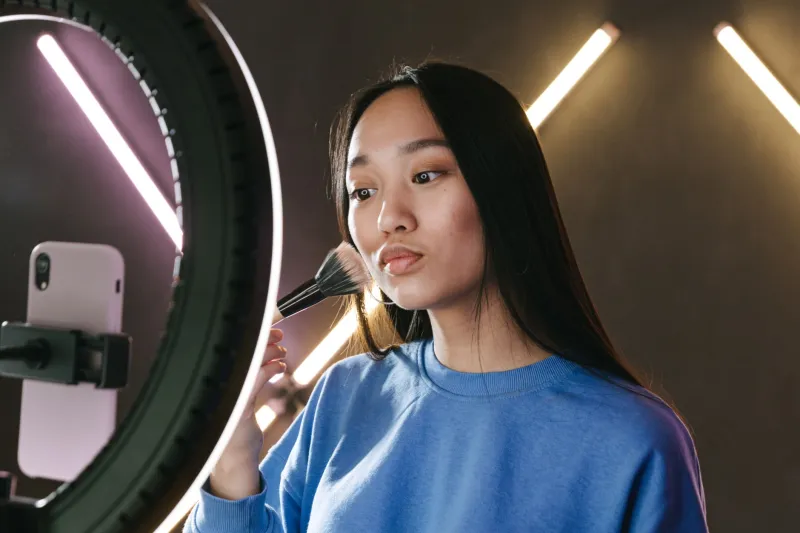
Around month eighteen, something genuinely alarming happens: the creator starts to look like every other creator. Same ring light setup. Same "I've been wanting to talk about this" opener delivered while sitting in a suspiciously clean bedroom. Same three products being promoted — hair vitamins, some kind of shapewear, and an app that claims to help you sleep or learn Spanish or both simultaneously.
The audience that followed them for gas station snack rankings is now watching them explain the "science" behind a collagen supplement. The audience that loved their unhinged escalator discourse is now getting a tutorial on how to style a midi skirt three ways.
Nobody officially announced the pivot. It just happened, the way a river changes course — gradually, and then all at once.
The Turning Point Checklist (You've Seen Every Single One of These)
For the record, here are the specific moments that mark the point of no return in any influencer's transformation arc:
The "I've been so busy" apology video. Busy doing what? Brand deals. The answer is always brand deals.
The lifestyle upgrade that gets explained away. New apartment, new car, new wardrobe — all casually introduced without acknowledgment that literally six months ago they were filming in a bathroom with a shower curtain in the background.
The comments-section personality shift. The early replies were chaotic and funny and felt like a real person typing. The new replies are "Love this for you! 🙏" and "So grateful for this community." Nobody who says "so grateful for this community" has ever been interesting.
The rebrand nobody asked for. A new logo. A new color palette. A new bio that describes them as a "content creator and wellness advocate" despite the fact that six months ago they were posting about eating an entire sleeve of Oreos and feeling spiritually cleansed.
The podcast launch. It's always a podcast. It's always called something like Unfiltered or Real Talk or Authentic — a name that does enormous amounts of work to compensate for content that is none of those things.
Month Thirty-Six to Forty-Eight: The Clone Wars
By the four-year mark, the transformation is complete, and the most depressing part isn't the individual person — it's how indistinguishable they've become from the fifty other people who went through the exact same pipeline.
Open five influencer pages at random right now. At least three of them will be promoting the same hair vitamin brand. At least two will have recently "partnered with" a meal kit service. At least one will have a capsule collection dropping "soon" that they're "so excited to finally share."
The weird specificity that made each of them interesting — the thing that made you feel like this person gets it, this person is my people — has been smoothed away in favor of maximum brand compatibility. They are now optimized for partnership. They are, in the most literal sense, a product.
And somewhere, right now, a new 24-year-old is posting something genuinely unhinged about gas station sushi or escalator anxiety, building a small audience of people who feel like they've found their people.
The clock is already ticking.
The Part Where We Pretend There's a Solution
There isn't really a solution, which is the most honest thing this blog will say today. The pipeline exists because it works — for brands, for platforms, and in the short term, for the creators themselves. The money is real. The reach is real. The creative erosion is real too, but it's the kind of real that's easy to rationalize away when the direct deposit clears.
The best you can do is appreciate the weird ones while they're still weird. Screenshot the unhinged content. Save the gas station snack rankings to your favorites. Cherish the escalator discourse.
Because the brand deal is coming. It's always coming.
And when it does, you're going to need a 15% discount code just to feel something.