You're Paying for Six Streaming Services and Still Have Nothing to Watch. Congratulations, You've Been Got.
You're Paying for Six Streaming Services and Still Have Nothing to Watch. Congratulations, You've Been Got.
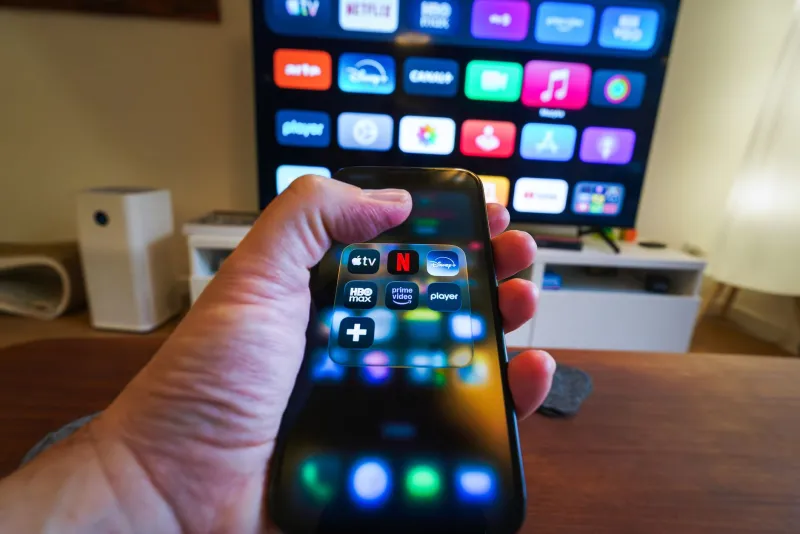
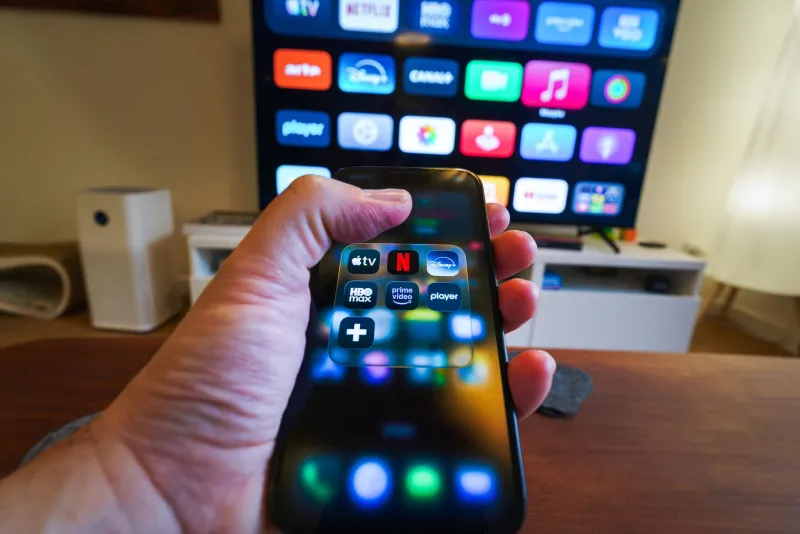
Let's set the scene. It's Friday night. You've survived another week. You've earned this. You sink into the couch with snacks, fire up the TV, and begin the sacred ritual of scrolling through your streaming apps. Netflix. Hulu. Max. Disney+. Peacock. Apple TV+. You scroll. You scroll some more. Forty-five minutes pass. You watch the first eight minutes of something, decide it's not quite right, and go to bed.
This is your life now. You are paying somewhere in the neighborhood of $80 to $120 a month across multiple platforms to experience the modern miracle of having too many choices and somehow none of them being the right one. Cable died for this. You're welcome, cable.
Remember When Streaming Was Going to Save Us?
Cast your mind back to the golden age — roughly 2013 to 2019 — when streaming services were the scrappy rebels of entertainment. Netflix was riding high on House of Cards and Orange Is the New Black, charging a price so reasonable it almost felt like a mistake. The pitch was simple and genuinely revolutionary: one low monthly fee, no ads, no contracts, watch whatever you want whenever you want.
This was, in retrospect, a promotional period. A loss-leader seduction. The entertainment industry equivalent of a guy being extremely charming on the first three dates before you move in together and discover he leaves his dishes in the sink and has opinions about how you load the dishwasher.
Streaming services in their infancy were legitimately great. They were cheaper than cable, more flexible, and felt like they were built by people who actually watched television. The cord-cutting movement wasn't just a trend — it was a genuine cultural shift. People were canceling cable with the righteous energy of someone finally breaking free from a bad relationship.
And then, slowly, the pricing started to move.
The Price Hike Chronicles: A Slow-Motion Horror Story
Here's the thing about streaming price hikes — they're engineered to be just small enough that you don't cancel, but just frequent enough that you eventually look up one day and realize you're spending real money on this stuff.
Netflix, the original gangster of streaming, has raised its prices so many times that keeping track requires a spreadsheet. What started as $7.99 a month has evolved into a tiered pricing structure so complicated that you need a flowchart to figure out which plan lets you actually download episodes versus which one just shows you ads for other Netflix shows while you're trying to watch a Netflix show.
Ads. On a paid streaming service. Let's sit with that for a moment.
The ad-supported tier is perhaps the most impressive piece of corporate audacity in recent entertainment history. These services spent years telling us they were the antidote to ad-stuffed cable TV, then quietly introduced... ad-stuffed streaming tiers. And then — this is the really impressive part — they made the ad-free version more expensive than the original service used to cost. You're now paying a premium to get back to the baseline experience you had five years ago.
That's not a bug. That's a business model.
The Password Crackdown: When They Came for Your Mom's Account
For years, password sharing was the streaming industry's dirty little open secret. Everyone did it. The companies knew everyone did it. They occasionally said vague things about it in earnings calls and then did nothing, because subscriber numbers looked better when you didn't look too closely at how many people were actually paying.
Then Netflix decided enough was enough, and the crackdown began. Suddenly, streaming services that had spent a decade building goodwill by being not cable started rolling out policies that were aggressively, almost admirably, cable-brained.
Pay extra to share with someone outside your household. Verify your location. Log in from an approved device. The specifics varied by platform, but the message was universal: that free ride your college roommate's ex-girlfriend was getting? Over.
The reaction from subscribers was approximately what you'd expect — a combination of genuine outrage and the grudging realization that yes, technically, they always said you weren't supposed to do this. It's hard to argue with the terms of service you agreed to without reading. Still feels bad though.
The Content Paradox: More Shows, Less to Watch
Here is perhaps the cruelest joke of the streaming era: these platforms produce more content than ever before and somehow the feeling of having nothing to watch has gotten worse, not better.
Netflix alone releases so many original shows and movies that no human being could watch all of them even if watching Netflix were their full-time job. And yet, on a Friday night, the scroll continues. The algorithm recommends something you've already seen. The trending section is full of shows that feel like they were generated by a machine that watched a lot of other shows. The movie you actually wanted to watch left the platform last Tuesday.
This is the content paradox of the streaming age: volume has replaced curation. The buffet is enormous and most of it is fine. Not bad, necessarily. Just fine. Algorithmically optimized for broad appeal, focus-grouped into palatability, and produced at a scale that prioritizes quantity of titles over the kind of slow-burn quality that made you fall in love with streaming in the first place.
So Here We Are
The math, if you do it honestly, is not flattering. Add up your streaming subscriptions. All of them. Include the one you forgot about that's been quietly billing you for eight months. Compare that number to what a basic cable package costs.
Surprise! You're basically paying for cable again. Except your cable doesn't have ESPN unless you pay for a sports add-on, your "channels" are spread across six different apps with six different interfaces, and when something gets canceled, it just disappears — no reruns, no syndication, sometimes no warning.
The streaming services won the war against cable by becoming cable. It's genuinely one of the most successful long cons in American entertainment history, and the truly wild part is that we're still subscribing. All of us. Complaining loudly while handing over our credit card information like clockwork every month.
We deserve this. But also, we deserve better. Both things are true.
See you on the couch Friday. Bring snacks. We're going to be scrolling for a while.
Turd Ferguson Blog does not endorse any specific streaming service. We do endorse complaining about all of them equally.