Sorry, Not Sorry, Definitely Not Sorry: Your Complete Survival Guide to the Celebrity Apology Circus
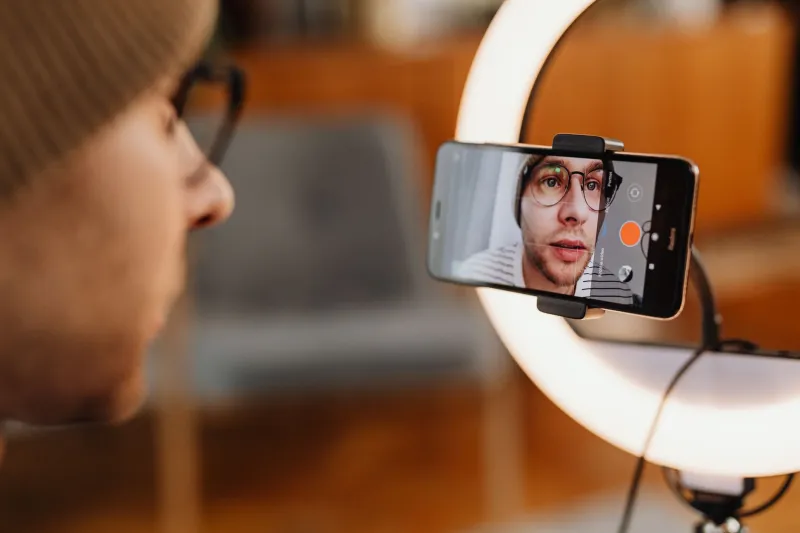
At some point between the invention of Instagram and the complete erosion of accountability, the celebrity public apology stopped being about remorse and started being about damage control dressed in a cashmere sweater. Someone, somewhere — probably a PR rep billing $800 an hour — looked at a client's catastrophic public meltdown and said, "What if we filmed this in soft natural light with a single tear and called it growth?" And the rest, as they say, is history. Embarrassing, deeply transparent history.
Welcome to the Celebrity Apology Industrial Complex. Population: everyone who has ever wronged someone on a hot mic and lived to post about it.
The Anatomy of the Modern Non-Apology
Before we catalog the greatest hits, we need to establish the foundational elements. Because just like a Marvel movie or a Chipotle order, the celebrity apology has a formula. Deviate from it at your peril.
First, there's the setting. Natural light is mandatory. Bonus points for a blurred background that suggests "home" without revealing anything identifiable. The celebrity must appear vulnerable but not unhinged — think "just got back from a very meaningful therapy session" rather than "hasn't slept in four days and the lawyers are circling."
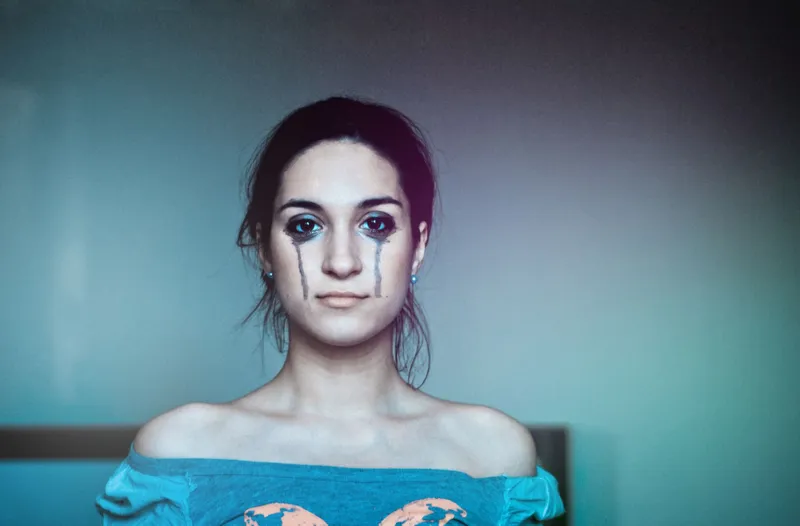
Second, the outfit. Nothing too polished. A hoodie communicates authenticity. A slightly wrinkled linen shirt says, "I am a real person who is genuinely grappling with this." A full face of makeup on someone who claims they've been crying for three days is a choice that the internet will absolutely notice and screenshot.
Third, and most critically: the language. This is where the magic — and the absolute audacity — lives.
"I'm Sorry You Felt That Way": A Legal and Emotional Masterpiece
Somewhere around 2015, a switch got flipped. The phrase "I'm sorry you felt that way" quietly became the Teflon coating of the apology world. Nothing sticks to it. It sounds like an apology. It has the word "sorry" right there in the front. But what it actually communicates is: your feelings are the problem, and I am generously acknowledging them.
It is, without question, the greatest PR invention since the publicist-arranged "candid" paparazzi photo. Lawyers love it. Crisis managers love it. The actual aggrieved parties? Less so. But by the time those people articulate exactly why it feels hollow, the news cycle has moved on and the celebrity in question is already attached to a redemption documentary.
Close cousins of this phrase include: "I'm sorry if anyone was offended" (classic), "I regret that this situation occurred" (the passive voice industrial complex), and the always-reliable "That was never my intention" — which, to be fair, is occasionally true, but which also conveniently sidesteps the part where the thing still happened.
The Apology Tier List, Ranked by Audacity
Tier S — The 11pm Friday Notes App Drop: This is the apex predator of the apology ecosystem. A wall of text, formatted in the default iOS font, posted on a Friday night when every entertainment journalist is three drinks into their weekend. It reads like a legal brief that went to therapy. There are paragraph breaks in strange places. The phrase "do the work" appears at least once. Nobody is sure if it was written by the celebrity, their manager, or an AI trained exclusively on previous celebrity apologies. The answer, honestly, doesn't matter.
Tier A — The Tearful Instagram Video: Raw. Vulnerable. Filmed in 4K. The tears are present but tasteful — enough to signal emotion, not enough to smear the foundation. The celebrity speaks slowly, pauses for effect, and mentions their kids or their mental health journey at least once. Comments are disabled "to protect their peace." The post will be archived within 72 hours once the brand deals stabilize.
Tier B — The Carefully Worded Twitter/X Statement: Increasingly rare now that Twitter is a burning carnival, but still deployed occasionally. Usually three tweets long. Starts with "I've been doing a lot of reflecting" and ends with a vague commitment to "be better." Better at what? Nobody specifies. That's the beauty of it.
Tier C — The Magazine Interview Apology: The long game. Six to eight months after the incident, the celebrity sits down with a sympathetic journalist from a publication that also desperately needs the cover traffic. They look great. They've "done the work." They reference the incident briefly, describe it as "a really difficult time," and then spend the remaining 4,000 words talking about their new project. The apology is technically in there. It's load-bearing in the way a decorative column is load-bearing.
Tier F — The Non-Apology Apology Issued Through a Representative: "[Celebrity name] has always been committed to [vague positive value] and regrets any misunderstanding." That's it. That's the whole thing. A human PR professional wrote those words with their human hands and sent them to journalists with a straight face. Respect the audacity, honestly.
Who Are These Performances Actually For?
Here's the real question, the one that nobody in the industry wants to sit with over their overpriced smoothie: who is the celebrity apology actually designed to reach?
Not the people who were harmed. Those folks are usually the last to receive any direct communication, if they receive any at all. Not the general public, who have largely already formed their opinion by the time the Notes app drops. Not advertisers — those conversations happen in private and involve entirely different language, mostly involving the word "metrics."
The celebrity apology, at its core, is a performance for the algorithm. It's a piece of content designed to generate a specific type of engagement — the kind that signals "this person acknowledged the thing" without creating new liability or closing any future doors. It is, functionally, a press release with better lighting and a more relatable font.
The fact that we keep watching them, keep analyzing them, keep arguing about whether they were sincere — that's the whole point. Engagement is engagement. A celebrity trending for an apology is still a celebrity trending.
The Uncomfortable Punchline
Here's where it lands: we built this thing. Every time we dissect a celebrity apology on Twitter at 11:30pm on a Friday, every time we debate the sincerity of someone's tears on a podcast, every time we share the screenshot of the Notes app statement with our group chat — we are feeding the machine that makes these performances necessary and profitable.
The Celebrity Apology Industrial Complex runs on our attention. The PR firms know it. The celebrities know it. The algorithm definitely knows it.
And now you know it too. Which means the next time a famous person drops a carefully lit video about their "journey toward accountability," you can watch it with the full awareness that you are watching a product.
You'll probably still watch it, though. We all will. Because someone had to say it: fake remorse, when it's done well, is genuinely compelling television.